Workplace Safety Culture: Why Machine Guards Alone Are Not Enough Without People
Every company that works with machine tools knows the first half of the equation: certified machine guards, compliant safety barriers, documented procedures, and up-to-date risk assessments. This is the visible, measurable part—the one companies naturally invest in. Yet many organizations, despite having all of these elements in place, continue to experience accidents and near misses. The reason almost always lies in the second half of the equation: the way people communicate, correct one another, and respond to risk.
That is the focus of this article. This is not a “soft” or motivational discussion, but an operational reality: safety is a system made up of physical protection plus human behavior. Companies that focus on only one side of the equation remain exposed.
The Limits of a Purely Technical Approach
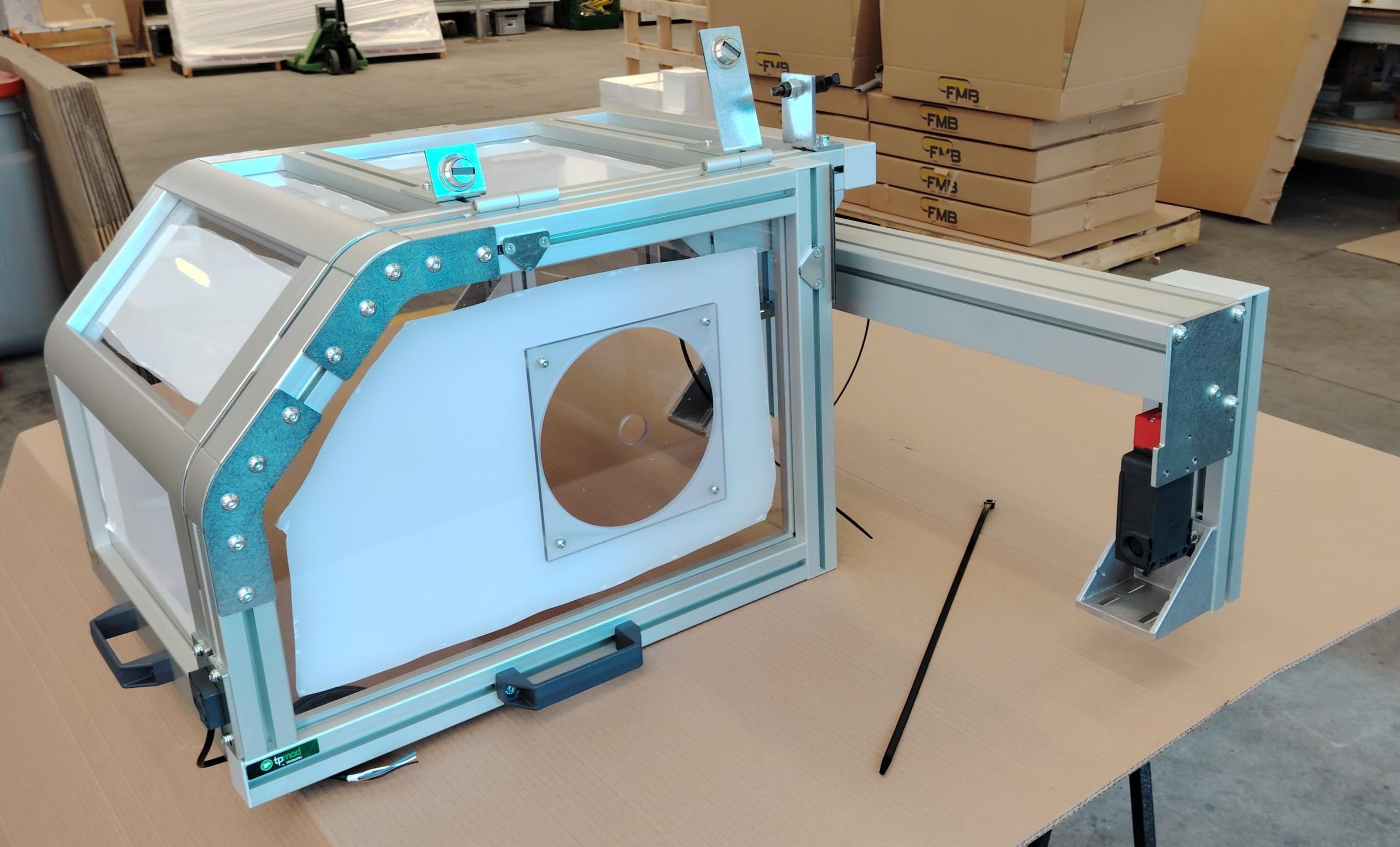
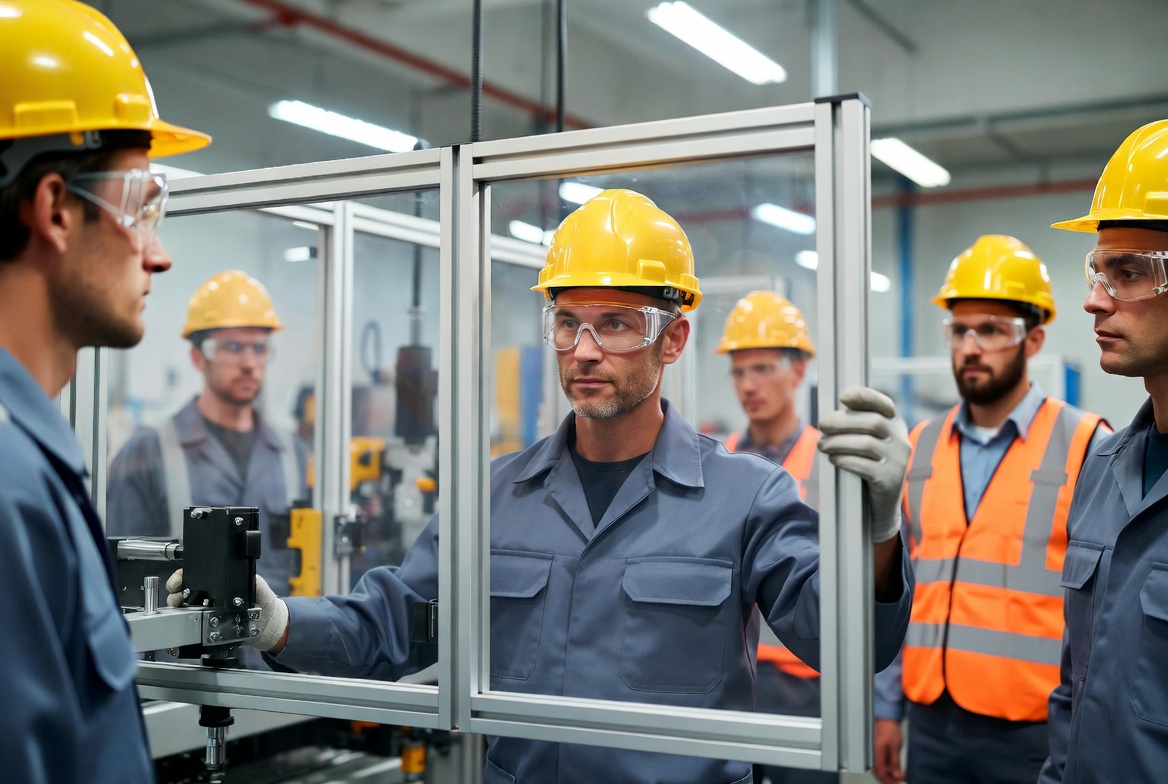
A machine guard does exactly what it is designed to do: prevent contact with moving parts, contain chips and flying debris, and block access to hazardous areas. What it cannot do is decide whether an operator keeps it in place, whether someone disables it to save a few seconds, or whether a colleague reports an unsafe condition instead of choosing not to “cause trouble.”
Safety research has repeated this for decades: most workplace accidents are not caused by equipment failure, but by human and organizational factors. Distraction, rushing, fatigue, poor communication, or unsafe habits that no one corrects are variables that even the most robust safety guard cannot manage on its own.
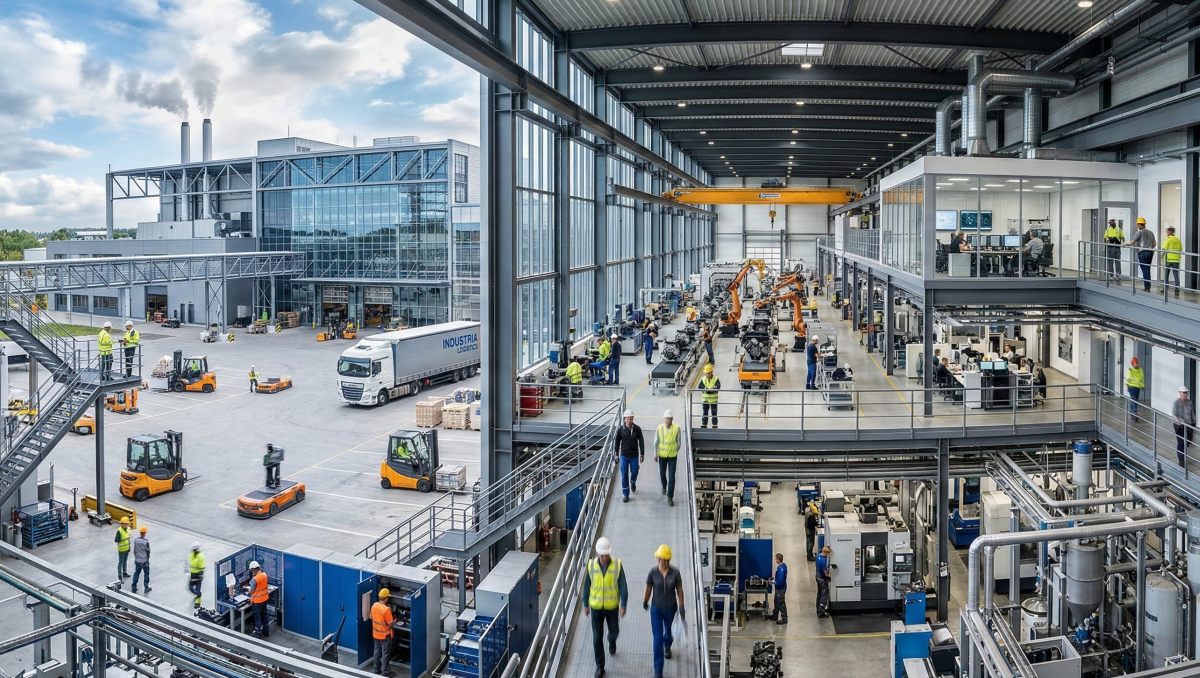
This is where a concept rarely associated with a machine shop becomes essential: safety culture. In other words, the shared behaviors, priorities, and ways of interacting that determine what really happens when no one is watching.
The Human Factor: What Emotional Intelligence Means on the Shop Floor
Emotional intelligence is the ability to recognize your own emotions and those of others, manage relationships, provide constructive feedback, and communicate effectively. It may sound like a topic for management training, but on the shop floor it becomes highly practical and applies to situations that occur every day:
* Giving feedback about unsafe behavior without embarrassing a colleague, so the correction is accepted rather than rejected.
* Recognizing when an operator is tired, distracted, or under pressure, and intervening before a moment of inattention becomes an accident.
* Stopping a machining operation assertively—but not aggressively—when conditions are unsafe.
* Discussing regulatory risks with management in a credible way, without safety being viewed as an obstacle to productivity.
In a workplace where reporting hazards or stopping a machine is seen as inconvenient or as a sign of distrust, people eventually stop doing it. Once communication breaks down, the entire safety system—including the machine guards themselves—becomes fragile.
Behavior and Compliance: Two Sides of the Same Responsibility
Italian workplace safety legislation fully recognizes this principle. Legislative Decree 81/2008 does not simply require suitable safety devices; it also mandates training, information, and supervision. Supervisors, in particular, are responsible for overseeing operations and correcting unsafe behaviors—a responsibility that has been further strengthened by recent legislative updates.
This means that the behavioral and relational aspects of safety are not optional extras; they are an integral part of regulatory compliance. A company may be fully compliant on paper yet remain vulnerable in practice if employees are not given the cultural—not just technical—conditions needed to use safety equipment correctly.
Likewise, regarding machinery, compliance with the Machinery Directive 2006/42/EC and relevant technical standards (such as UNI EN ISO 14120 for machine guards) establishes the structural minimum. The transition from formal compliance to real workplace safety occurs only when that minimum is supported by consistent, safe behaviors.
What Companies Can Do in Practice
Building a strong safety culture does not require major organizational changes. It starts with a different perspective on a few practical actions:
* Make near-miss reporting a normal, blame-free habit, because every near miss provides valuable information about a real risk.
* Train supervisors and team leaders not only on procedures but also on communication and coaching skills, because procedures succeed or fail through the people who apply them.
* Involve machine operators in selecting and evaluating machine guards, since safety solutions perceived as helpful rather than obstructive are far more likely to be respected.
* Treat safety as an essential part of quality workmanship rather than as a separate compliance requirement to demonstrate during inspections.
These are relatively low-cost initiatives with a significant impact, maximizing the return on investments already made in machine guarding and regulatory compliance.
Tecno Più: From Machine Protection to Safety Consultancy
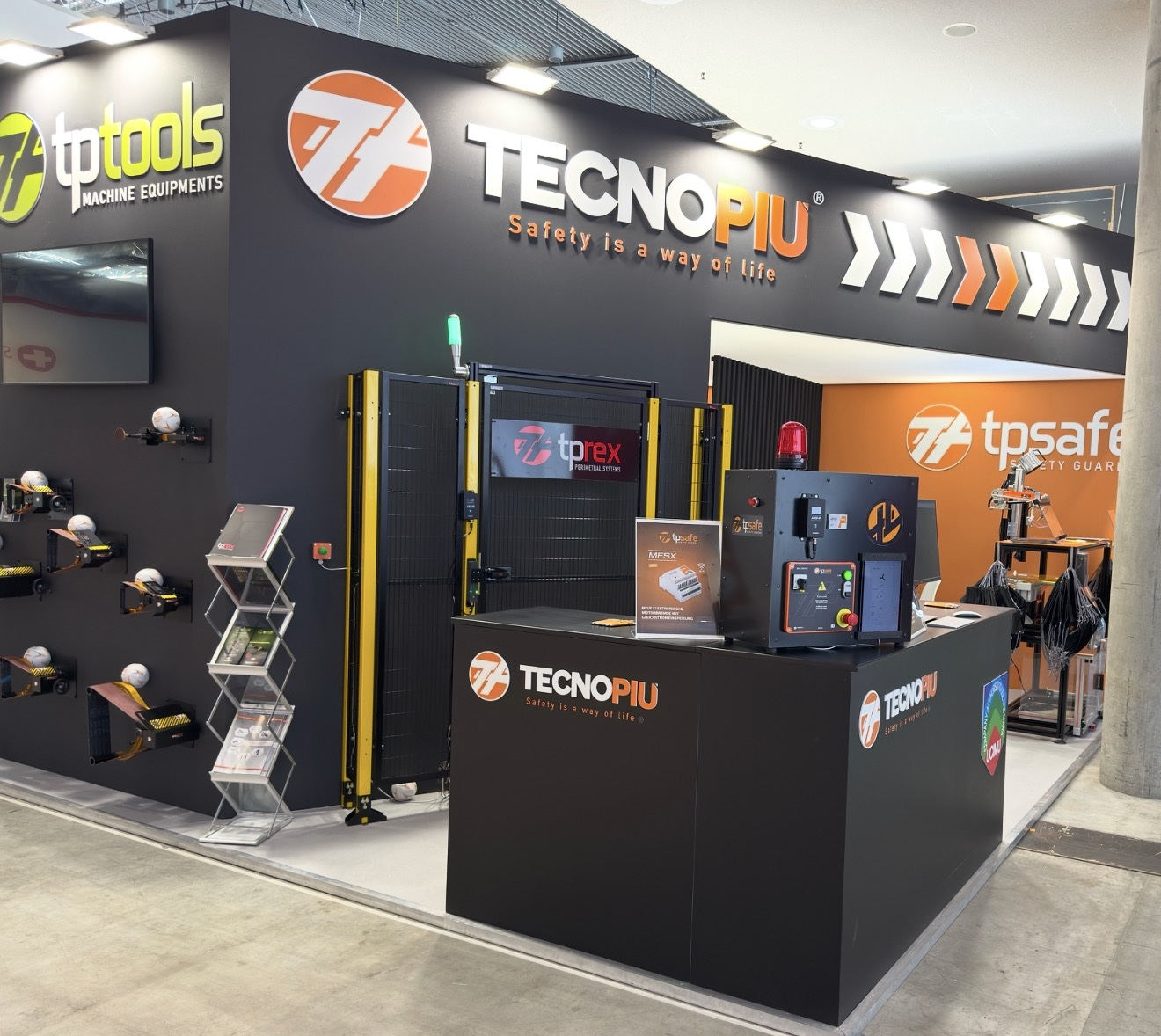
Since 1994, Tecno Più has designed and manufactured some of the most robust and versatile machine guards available on the market. Our motto—”Safety is not a Target, It is a Way of Life”—reflects a broader philosophy: safety is not a milestone to achieve once; it is a way of working every day.
For this reason, we support companies not only with certified products and custom-engineered solutions, but also with the expertise needed to integrate them effectively into real production environments. Our services include risk assessment, application-specific design, machinery compliance support, and guidance on the correct use of safety guards. A physical barrier fulfills its purpose only when it is part of a workplace that understands its value.
There can be no safety without knowledge. Physical safeguards are the essential foundation, while a strong safety culture is what makes them effective over time. Investing in both is the only way to truly reduce workplace accidents—not merely to achieve regulatory compliance.
Would you like to identify the areas where your production department is most exposed and discover which safety solutions will make the greatest difference? Request a personalized assessment and quotation. We will analyze your machinery, identify the critical risks, and recommend the most effective solution for your specific needs.